「藝術–城市–人 專題」系列
Art-City-People” Exhibition Series
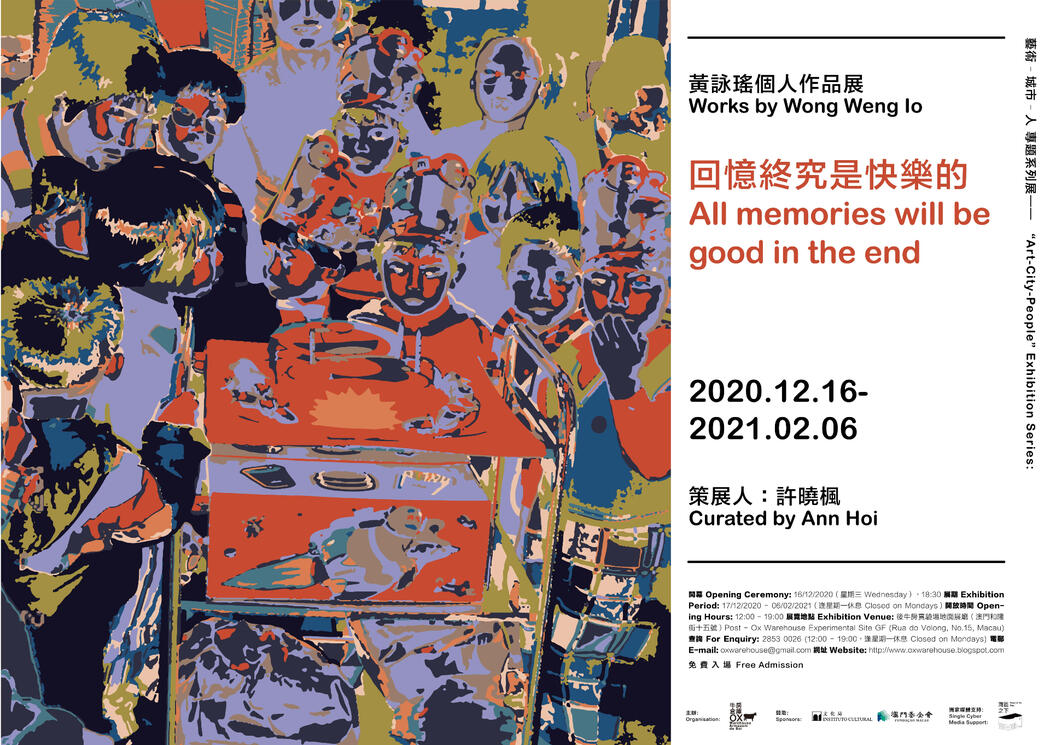
回憶終究是快樂的——黃詠瑤個人作品展
All Memories Will Be Good In the End - Works by Wong Weng Io

▎展覽地點 Exhibition Venue:後牛房實驗場地面展廳(澳門和隆街十五號)
Post - Ox Warehouse Experimental Site GF (Rua do Volong, No.15, Macau)
▎開放時間 Opening Hours:12:00-19:00
▎主辦 Organisation:牛房倉庫 Ox Warehouse
▎贊助 Sponsors:澳門文化局 Instituto Cultural de Macau、澳門基金會 Macao Foundation
▎獨家媒體支持 Single Cyber Media Support:灣區之下 Beyond the Bay
▎查詢 For enquiry:2853 0026 (12:00 - 19:00,逢星期一休息 Closed on Mondays)
▎電郵 E-mail:[email protected]
▎網址 Website:http://www.oxwarehouse.blogspot.com
藝術家自述 ARTIST's STATEMENT
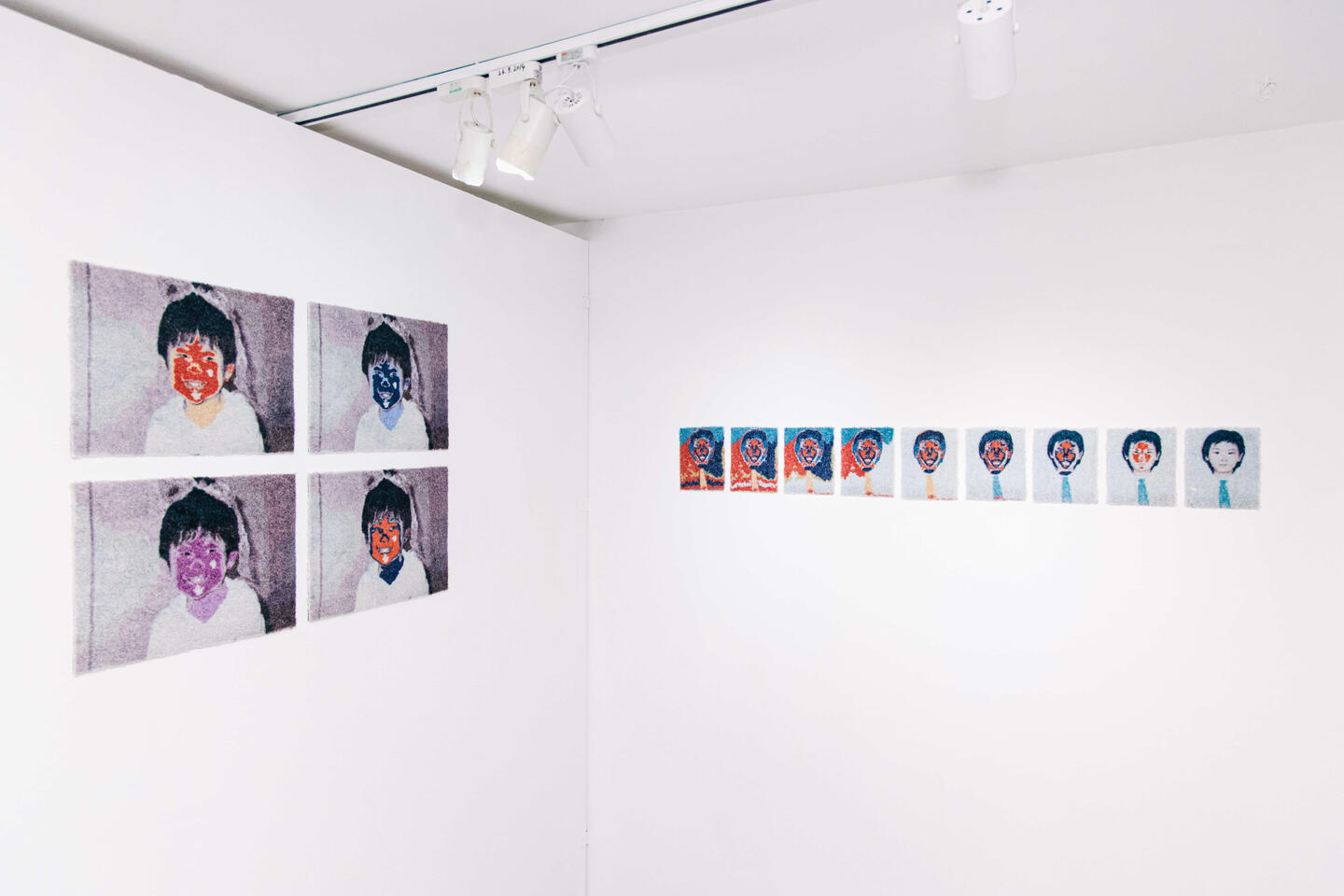
是次展覽《回憶終究是快樂的》透過重訪我的童年回憶,講述了我從小到大在澳門生活時環境對我的影響,並嘗試去記錄作為澳門人的一種生存狀態和樣本。
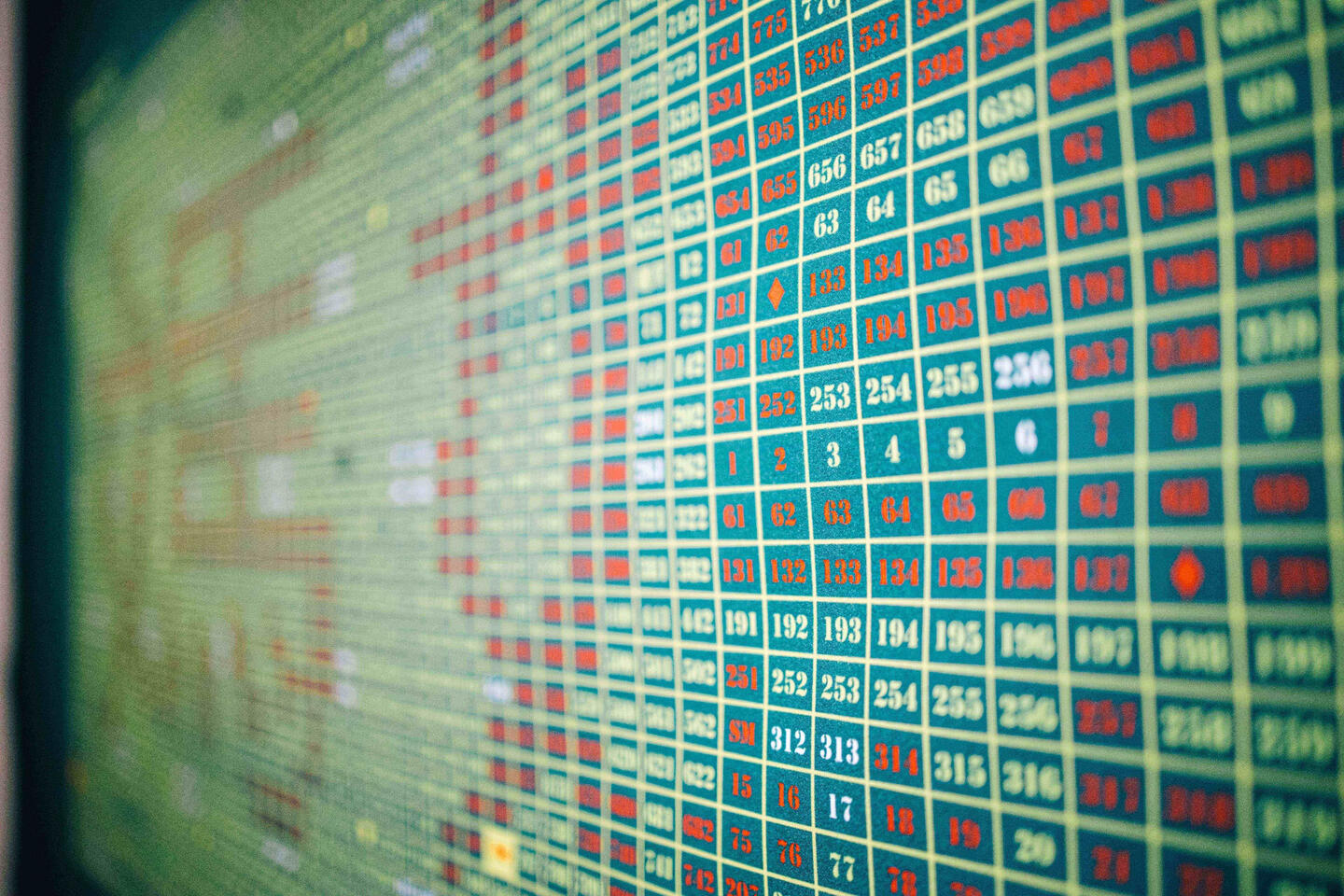
我的父母在賭場工作,兒時回憶中父母總是用未知的語言——在工作中使用的特定術語——互相交談,這構成了我童年時對語言的初步理解。
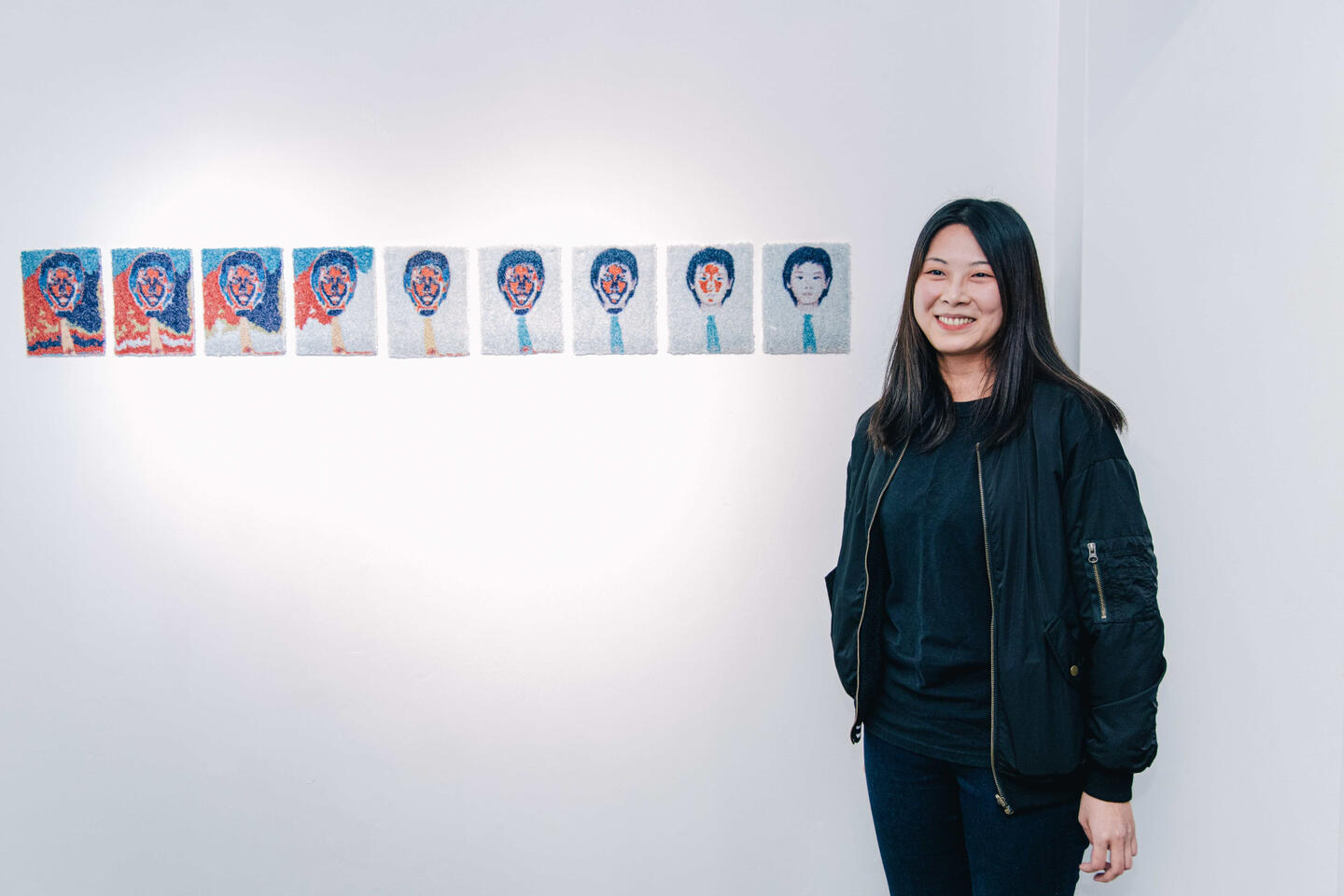
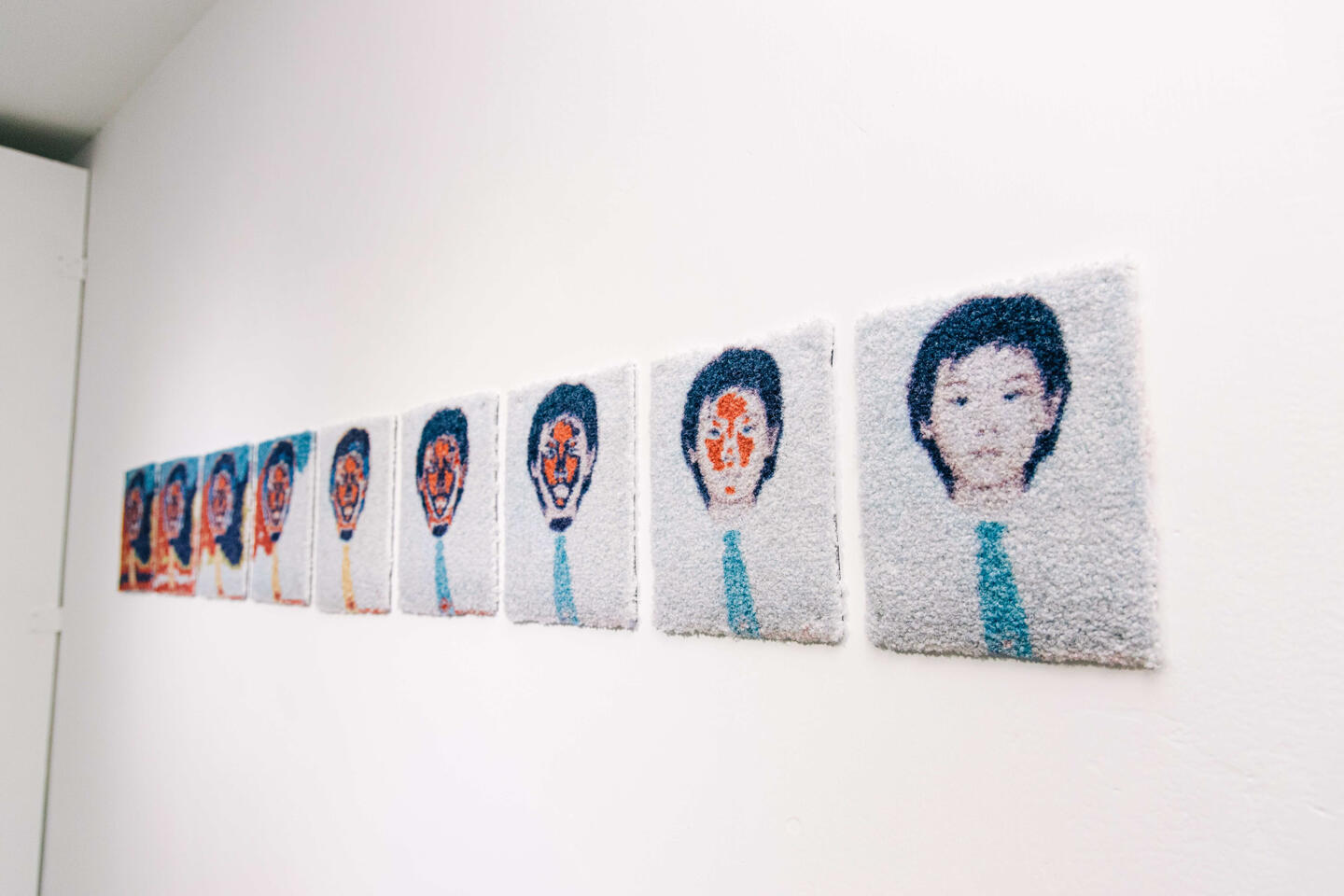
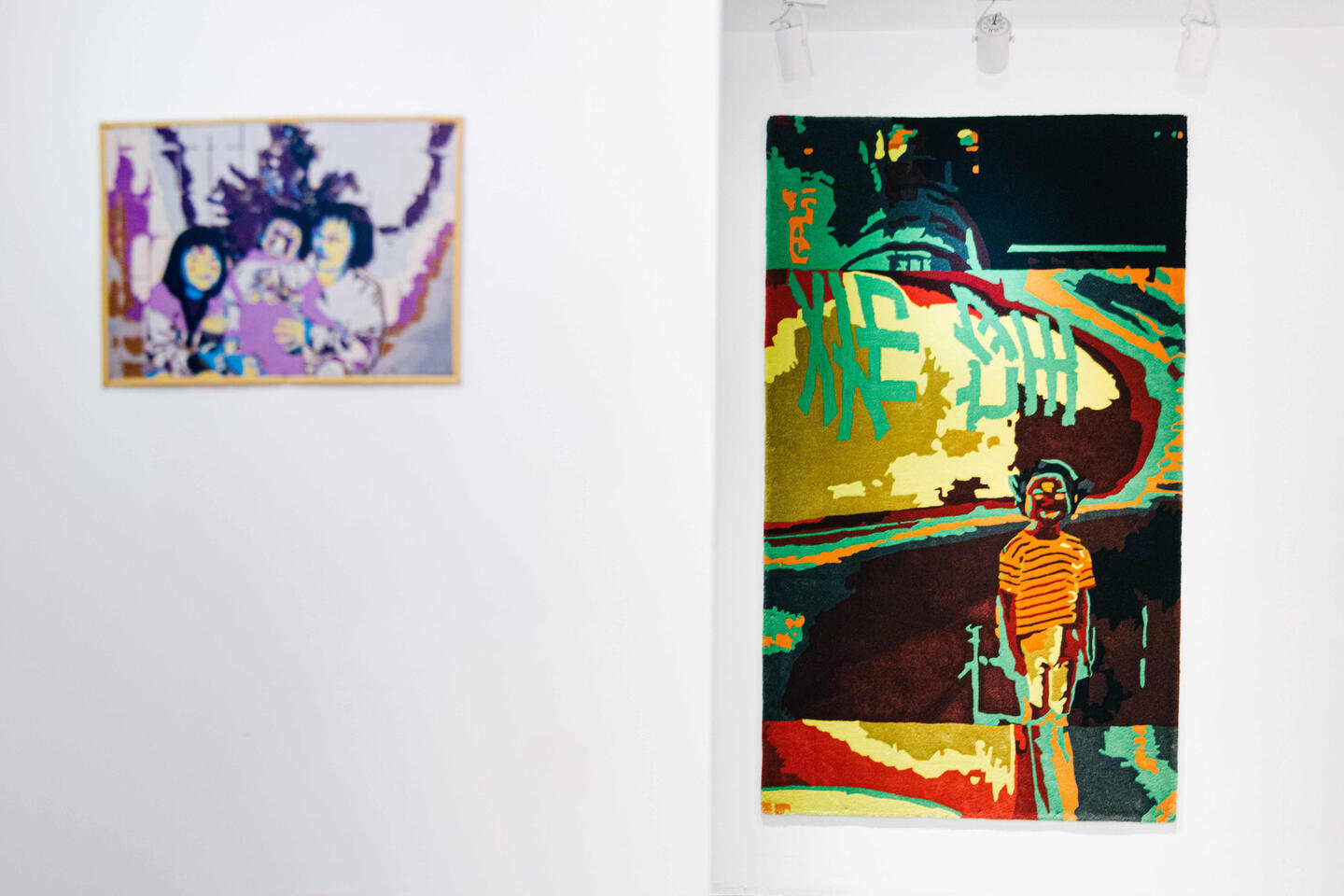
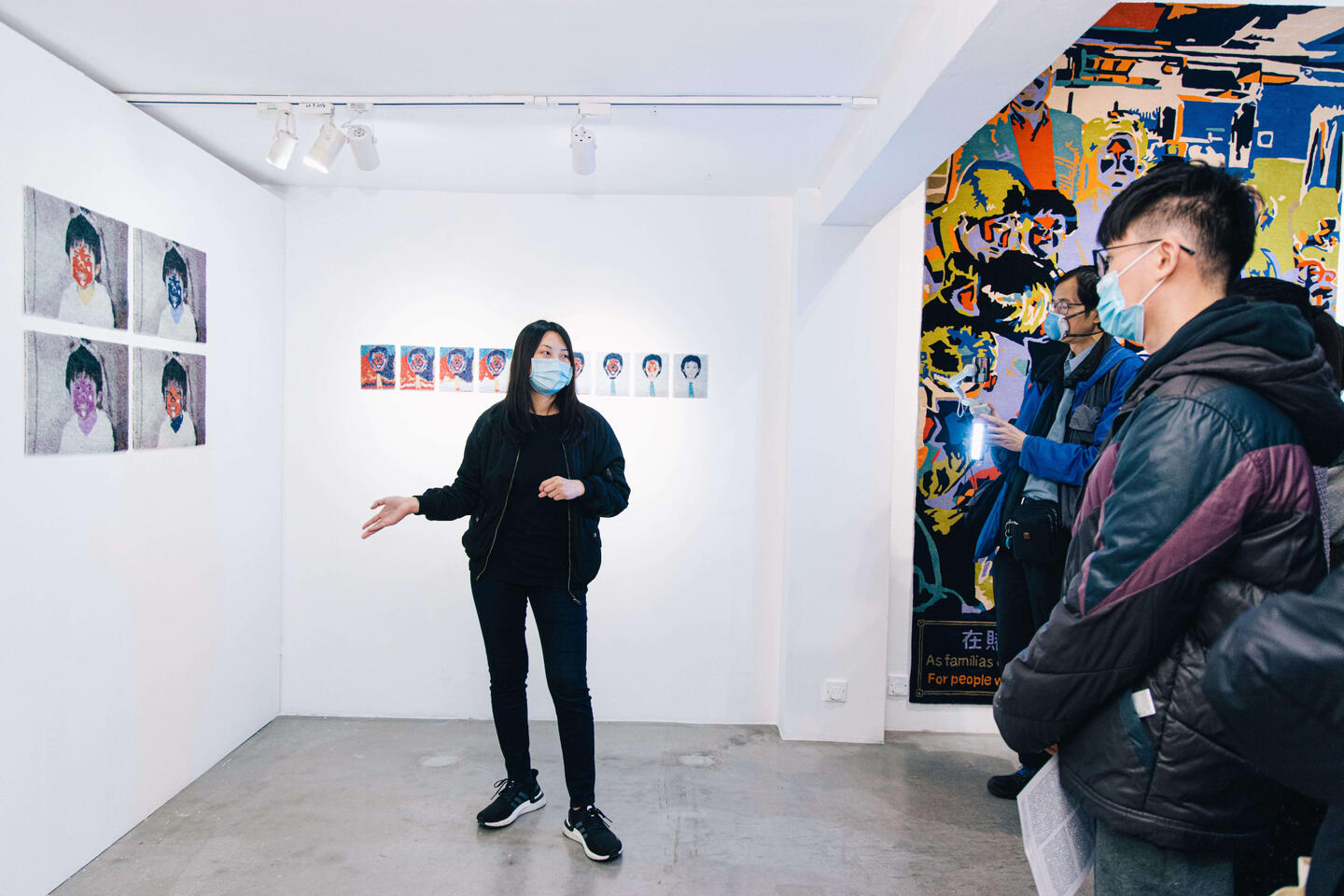
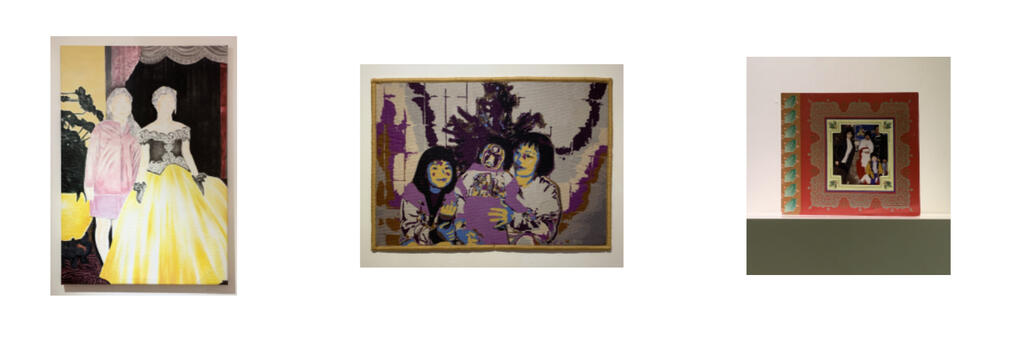
展覽中的幾幅地毯作品,其構圖採用了我童年時的照片,而照片中的顏色被轉換成澳門不同賭場中地毯的顏色組合。內華達大學拉斯維加斯分校賭博研究中心主任Dave Schwartz曾經提及:「賭場地毯被認為是故意製造壞品味的一種心理應用,以某種方式鼓勵人們賭博。」賭場中用作裝飾、心理應用和其他實際用途的地毯,形成了一種特定的、迷幻的心理圖案和形態,這種形態同時亦令我想起澳門的形象:某程度上十分昂貴但在另一角度來看卻是廉價,有時隱晦但有時嘈雜,有時引人注目但卻總被忽視⋯⋯地毯製造的其中一項技術“剃剪”(Shear),即是將不均勻長度的紗線切割成均等的紗線長度,以使地毯表面平坦。 “剃剪”在劍橋字典中還有另一種含義:「尤指草草地在一個人的頭上極之貼近地剪在皮膚上的頭髮。」前者的含義,使我想起在澳門賭權開放後,澳門市民在社會發展中的主要職業選擇變得相對狹窄和單一化。至2020年,賭博行業對比起其他行業的就業人數為最多,賭博業就業人數約佔澳門總勞動力的20.8%,約有超過85,800人在該行業工作,這會給年輕一代帶來什麼影響?“剃剪”的另一個含義亦令我重新思考典型中國家庭童年教育的問題,就像是「草草地、極之貼近地在一個人的頭上剃剪在皮膚上的頭髮」的比喻,這種做法大多數是為了使孩子們服從,並非真正的教育如何成為一個人⋯⋯
從某種意義上說,“剃剪”(Shear)與我的成長十分相似,甚至影響我至今⋯⋯我的一名高中老師曾經在班上對我們說:“在賭場工作的人家庭不會幸福”。我記得我很困惑,回家後問媽媽,她否認了這一觀點。隨著我長大,我開始越來越多地想到這句話⋯⋯通過翻閱我過往的照片,我學會了事件的細微之處如何影響一個人的塑造,並重新思考記憶及其轉變的過程,以及我如何在不同時間下,以不同的方式看待過往記憶,而當我越看越多過往的童年照片時,就越會被這些經歷如何細微地影響了我所吸引住(即使我大部分時間都忘記了這些兒時記憶),這些影響就像繁複而花俏的賭場地毯一樣——隱晦而嘈雜。同時,我亦思考更多賭場工作如何影響著我的父母,以及他們如何影響我,一直到孩提時代至今成年後微妙的影響和經驗。
通過使用我家庭成員過去所拍攝的照片,我像是在與年輕時的家人一起創作,這種創作方式成為我作為一個成人後,重新與家人取得連結的一種方式:我從他們的視角出發,更好地想像他們的觀點,了解到他們不僅要成為父母,還要經歷什麼樣的成長。跟過往我創作方式不一樣的是,在這個過程中我慢慢地了解到,我正在以創作實踐作為一種認識自我的方式,而透過這次經驗,我接受了從小到大,人們對賭場的偏見與歧視,也從而漸漸地面對了自我的痛苦與恐懼,通過翻閱家庭相冊,再度觀看我兒時的照片,我體會到我的童年終究是快樂的,或者,我願意去這樣看待這份回憶。
黃詠瑤
Through revisiting my childhood, the exhibition “All the Memories will be Good in the End” recounts the influence growing up in Macau has on me, also attempting to chronicle the living condition and status of the Macau people.
My parents both worked in the casinos, and, as I recall, they often communicated in a set of peculiar jargons—specific terms they used in their workplace—which informed the basis of my nascent understanding of language.
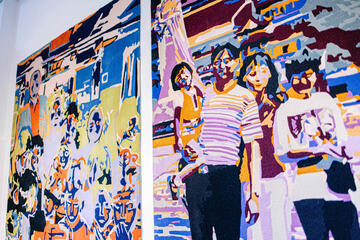
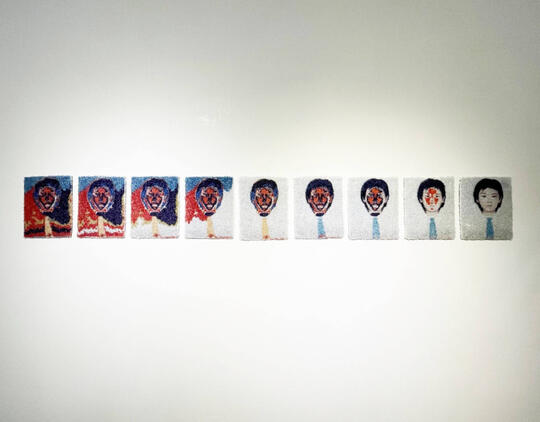
The tapestry works included in the exhibition, borrowed their compositions from my family album, in which I converted the palettes of the photographs into the color scheme of the carpets found in various Macau’s casinos. Dave Schwartz, Director of the Center in Gaming Research at the University of Nevada Las Vegas, once theorizes that “casino carpet is known as an exercise in deliberate bad taste that somehow encourages people to gamble.” The carpet, which is employed multifunctionally as decoration, psychological application, and so forth, constructed a particular psychedelic pattern and form—a form that at the same time, conjures up in me an image of current Macau: enveloped by a deceptive, gimcrack exterior, come across vague but at times vibrant, spectacular but often neglected… The “shearing” process in carpet manufacturing trims the excessive yarn into an even length, and thus renders the carpet’s surface smooth. The word “shear” holds another layer of definition in the Cambridge Dictionary: “to cut the hair on a person’s head close to the skin, especially without care.” The former definition reminds one of the rapid social development that happened right after the gaming liberalization in Macau, which drastically narrowed down the local job market in favor of the gaming industry. By 2020, employees in the gaming industry significantly outnumber those who work in the other industries, taking up 20.8% of the total workforce in Macau—which consists of 85,800 people. How does this impact the younger generation? Another definition of “shear” also forces me to reconsider the drawbacks of typical Chinese parenting, as the act of “cutting someone’s hair without care” doubles down as a metaphor that points to how such mode of education only instills obedience in children, instead of nurturing their individuality…
To a certain extent, “shear” resembles my experience growing up, and somehow still haunts me to date… One of my high school teachers once told us in that class that “people who work in casinos won’t have a happy family.” I still remember how this statement troubled me. I told my mum about this when I got home and she dismissed the teacher’s words. As I got older, I began to think about this more often… Going through pictures of my past, I noticed how the most minuscule details of a certain event can impact the fundament of a person. Moreover, I reconsider my memories and their malleability under various circumstances—how I view these palimpsests of memories in different ways during different moments of my life. After looking at a dozen photos from my childhood, I am attached to how subtly these experiences affect my selfhood (although I don’t recall any of these childhood memories most of the time). These interferences are like the complex, kaleidoscopic pattern of casino carpet—vague but vibrant. At the same time, I also meditate on how working in casino influences my parents, and how they impact me elusively throughout my childhood and adulthood.
By employing old photographs taken by my family members in my works, it feels as if I am collaborating with their younger selves. This kind of creative process acts as the way I—an adult—reestablish my connection with my family: through their perspectives, I am able to sympathize with them and understand their experience and plight as parents. Unlike my previous creative process, this time I am utilizing my practice to reconcile with myself. Owing to this undertaking, I am at last unfazed with the kind of entrenched prejudice and discrimination against the gaming industry, and at the same time, it empowered me to confront my personal trauma and fear. Leafing through my family album and looking back at my early photographs, I realize that my childhood has always been happy, or perhaps, I am willing to looking at it in this way.
Wong Weng Io
作品標示 Artwork LOCATION
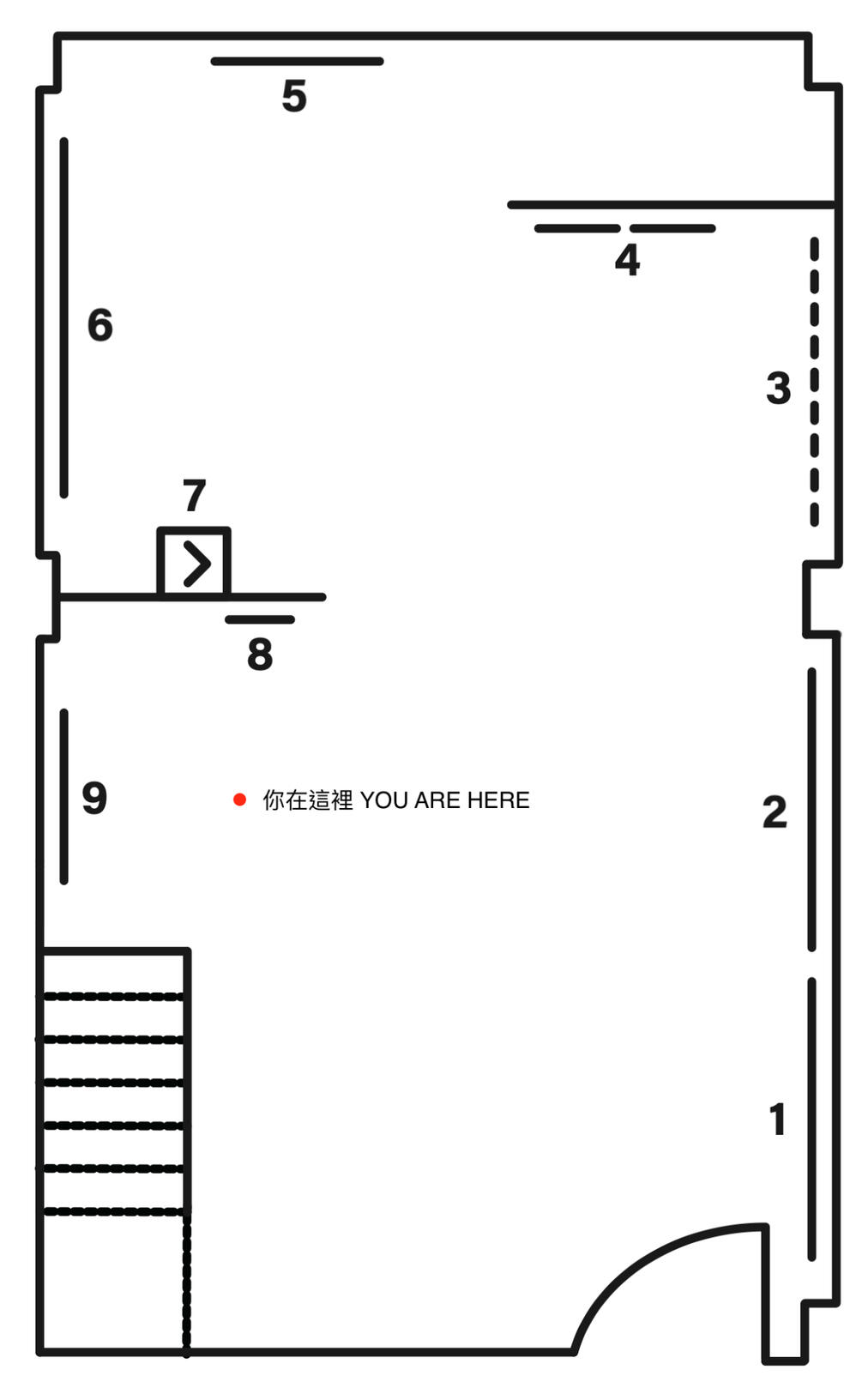

家庭-房間裡的大象-我們不談論的事情
當我在學校學習時,學生日記上有需要填寫學生的基本資料,包括父母的職業,我的父母總是會填寫“文員”,而不是填上工作的真實名稱。每當陌生人問我父母的工作時,我就會變得越來越猶豫-我該回答“文員”還是“賭場職員”?
Family—The Elephant in the Room—Things We Avoid Talking About
While I was still in high school, our student diary required the students to fill in their basic information, including their parents’ occupations. My parents would always fill in “clerk” instead of the real title of their jobs. Whenever a stranger asks me about my parents’ occupations, I became more and more hesitant over time—should I answer “clerk” or “casino worker”?
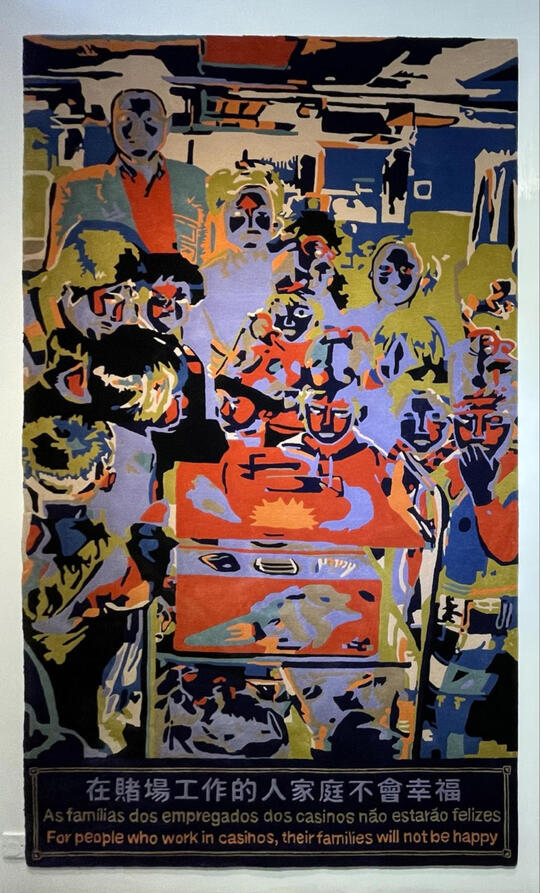
我的一名高中老師曾經在班上對我們說:“在賭場工作的人家庭不會幸福”。我記得我很困惑,回家後問媽媽,她否認了這一觀點。隨著我長大,我開始越來越多地想到這句話。
One of my high school teachers once told us in class: “people who work in casinos won’t have a happy family.” I still remember how this statement troubled me. I told my mum about this when I got home and she dismissed the teacher’s words. As I got older, I began to think about this more often.
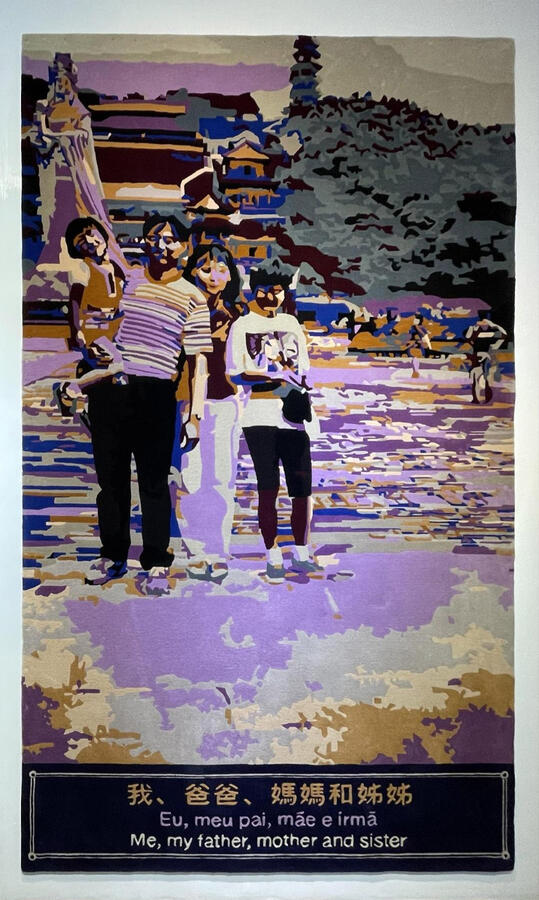
夜更-獨處的絕望-受父母工作時間的影響早期的生活
我記得小時候,我的父母必須晚上上班,有時我為他們不在家裡感到絕望。隨著年齡的增長,這種感覺逐漸消失。
Night Shift—The Despair of Being Alone—An Early Life Affected by My Parent’s Working Schedule
When I was little, my parents were always working at night, and sometimes I feel helpless because of their absence. As I got older, this kind of feeling gradually disappeared.
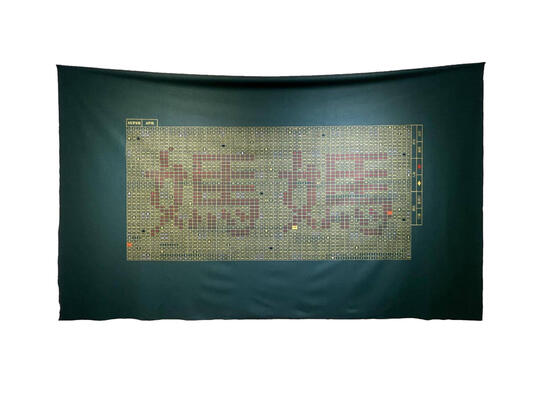

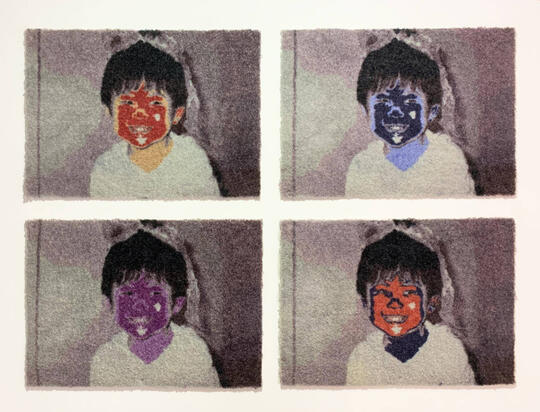
媽媽和保姆-從保姆到賭博成癮者的形象
在我早年生活中非常重要的女性形象之一就是我的居家“保姆”-“嫦姐”,她從我三歲起就照顧著我,我很小的時候就非常依賴她。後來,我長大並出國學習,她繼續留在我家幫忙,但她漸漸地沉迷於賭博,並從我的家人那裡偷了錢。當我在澳大利亞時,父親解雇了她。從那以後,我再也沒有見過她,或者對她說過一聲再見,但是我永遠記得她做我最喜歡的菜式時的樣子。
我的媽媽在賭場工作,回憶中她總是用未知的語言——在工作中使用的特定術語,跟我講述工作的事情,當然了,我聽不懂,問了解釋了,也是不懂。
Mother and Nanny—Portrait of a Nanny Turning into a Compulsive Gambler
As a child, one of the most important female figures was my “nanny”— “Sister Seung.” She has been taking care of me since I was three, and therefore, I was very dependent on her when I was a kid. Later, I grew up and studied abroad while she continued to work for my family. However, she became addicted to gambling and stole money from my family. When I was living in Australia, my father fired her. After that, without saying goodbye, I have never seen her again, but I will always remember the way she looked when she cooked my favorite dish.
My mum works in a casino. From what I remember, she would always tell me about her work in a set of peculiar jargons—specific terms she used in her workplace. Of course, I never understood what she was talking about—even if she explained, I still couldn’t understand.
策展人
許曉楓
澳門出生,2001年移居加拿大。及後於加拿大安大略藝術設計學院修讀版畫,取得美術學士學位。作品曾於香港、上海、北京、紐約及葡萄牙里斯本展出。現居於澳門,從事藝術策展及紙雕塑創作。
CURATOR
Ann Hoi
Born in Macau, Ann Hoi has studied printmaking art, and obtained her Bachelor of Fine Arts from OCAD University, in Toronto, Canada. She has exhibited in Hong Kong, Shanghai, Beijing, New York and Lisbon. Now residing in Macau where she continues to curate and work on paper sculptures.
藝術家
黃詠瑤
生於1993年,2015年於澳洲墨爾本皇家理工大學取得藝術榮譽學士學位。部分個展包括“混淆中的混淆II:混沌”,1844攝影藝術空間,澳門(2019)、“0”, 全藝社,澳門(2018)、“我上傳故我尚存” ,東方基金會,澳門( 2018)、“混淆中的混淆I”, 牛房倉庫,澳門(2017)。近期展覽包括“第三屆深圳當代藝術雙年展——觀念、形式和日常化”,海上世界文化藝術中心,深圳(2019),“港澳視覺藝術雙年展”,北京民生現代美術館,北京(2018)、“中國與葡語國家藝術年展”,德晉澳門藝術花園,澳門(2018)、“第一屆國際女藝術家澳門雙年展” ,澳門藝術博物館,澳門(2018)及“第二屆國際女藝術家澳門雙年展” ,市政牧場舊址,澳門(2020)等。現生活、工作於澳門。
ARTIST
Wong Weng Io
Born in Macau in 1993. She has finished Bachelor of Art (Fine Arts) with First Class Honour in Royal Melbourne Institute of Technology in Melbourne, Australia in 2015. Selected solo exhibitions include ‘Confusion of Confusions II: Chaos’, 1844 Macau Photography Art Space (2019), 0, Art For All, Tak Chun Macau Art Garden (2018), ‘I Upload Therefore I Exist’, Casa Garden, Macau (2018), ‘Confusion of Confusions I’, Ox Warehouse, Macau (2017). Recent exhibitions include ‘New Start: The 3rd Shenzhen Biennale of Contemporary Art’, Shenzhen UNESCO Gallery, The Sea World Culture and Arts Centre, Shenzhen (2019), ‘Hong Kong-Macau Visual Art Bienniale’, Beijing Minsheng Art Museum, Zhejiang Art Museum, Dunhuang International Convention and Exhibition Centre (2018), ‘Women Artists 1st International Biennial of Macao’, Macao Museum of Art, Macau (2018) and ‘Natura-ARTFEM 2020 Women Artists International Biennial of Macau’, Former Municipal Cattle Stable, Macau (2020) etc. She now lives and works in Macau.